Ssangyong Philippines brings back Musso badge on a luxury pickup

Ssangyong Philippines has launched the new 2019 Musso mid-size pickup truck at Philippine International Motorshow (PIMS) which runs at the World Trade Center in Pasay City from October 24 to 28.

The Musso: its the name of the Mercedes Benz mid-size SUV that everybody eventually realized was a rebadged SsangYong. This was back in the 1990s when the German giant and the longtime Korean utility vehicles maker had a technology sharing agreement. The partners thought that SsangYong needed to hitch their wagon to that of Mercedes Benz, just to get a foothold in markets outside South Korea … a foothold here, in the Philippines, among others.

Now, decades later, with SsangYong having become the fourth largest carmaker from major auto-industry player South Korea, and after Mahindra & Mahindra thought enough of the brand to acquire 70% stake in it in 2011, they again bring a Musso to our shores, this time under their own name, the model made luxurious by design and engineering, and not just having up-marketed optics as a German-brand rebadge.

Described as a luxury utility vehicle by SsangYong president David Macasadia, he says they refer to it as an “open SUV,” this because of its origins in their Rexton mid-size sport utility vehicle.

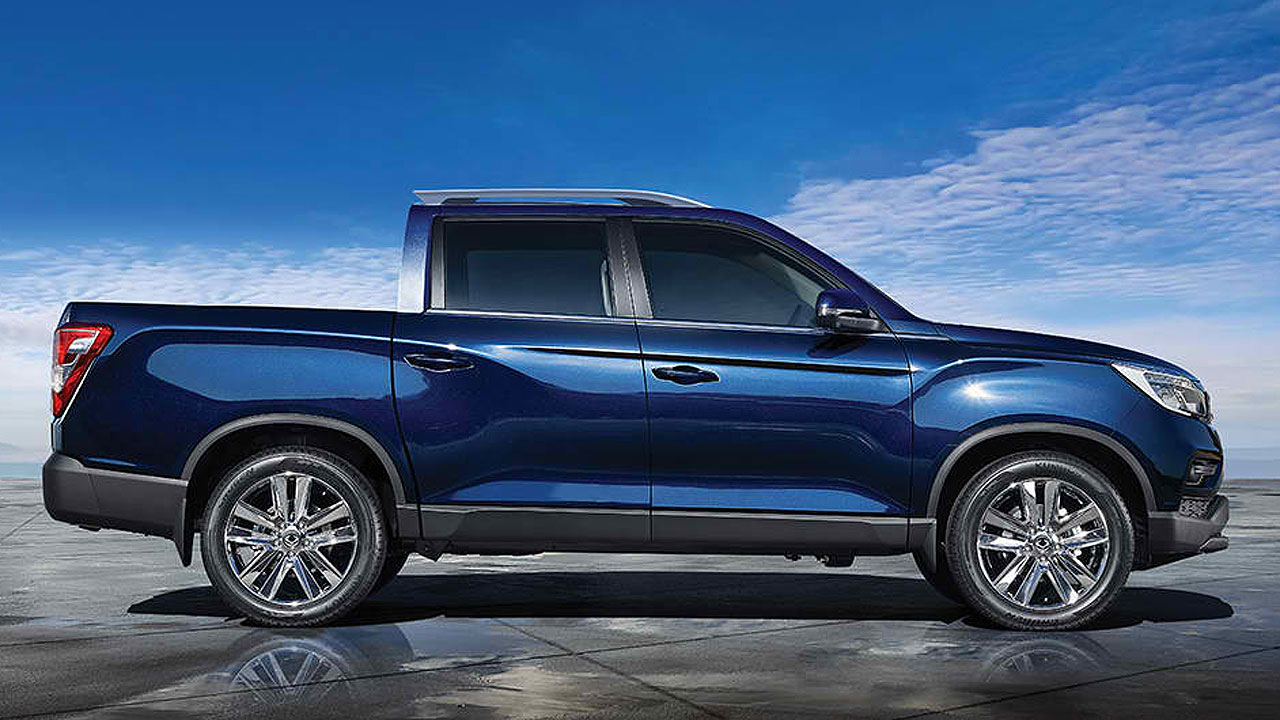
The Musso pickup truck has a uniquely strong-though-streamlined-yet-boxy design. That’s a tough balance to hit but a heck of a sight to see when gotten right. The seemingly hairline gap between cabin and cargo boxes, a miniscule pause in strong slab sides with sweeping character lines, that almost overlooked seam, underscores how the whole thing comes together.

The big truck, big for a mid-size pickup, what may be mistaken as full-size against other Asian offerings, is diligently outfitted with their e-XDi 220 2.2 liter turbodiesel putting out peak power of 177hp@4000rpm. And, with peak torque at 400Nm@1400~2800rpm, the surprisingly compact diesel mill puts out torque at low to mid-revs equivalent to that of a 300hp gasoline engine running at high rpm. That kind of power curve must feel exquisite with the engine mated to a 6-speed Aisin automatic transmission.

This pickup gets you truckin’ in style. On this traditionally front-engined/rear-driven bruiser, the strong, body-on-frame construction is given a luxuriously comfortable ride with a double-wishbone independent suspension assembly in front and what appears to be an articulating rear axle and differential assembly that’s multi-linked semi-independently to the chassis in the rear.

Riding atop those springs, passengers are treated to brown Nappa leather interior and a 2nd-row couch that can recline by as much as 27 degrees while still offering generous legroom. And the on-board infotainment suite is an Apple Carplay / Google Android Auto implementation offering tight and convenient integration with just about any smartphone.

Macasadia says they will first offer the 4×2 variant of the Musso, pitching it as a classy urban workhorse priced at PhP1.495M, that price coming with 3-years or 60,000km worth of free periodic maintenance service visits, and a 5-year or 100,000km warranty.

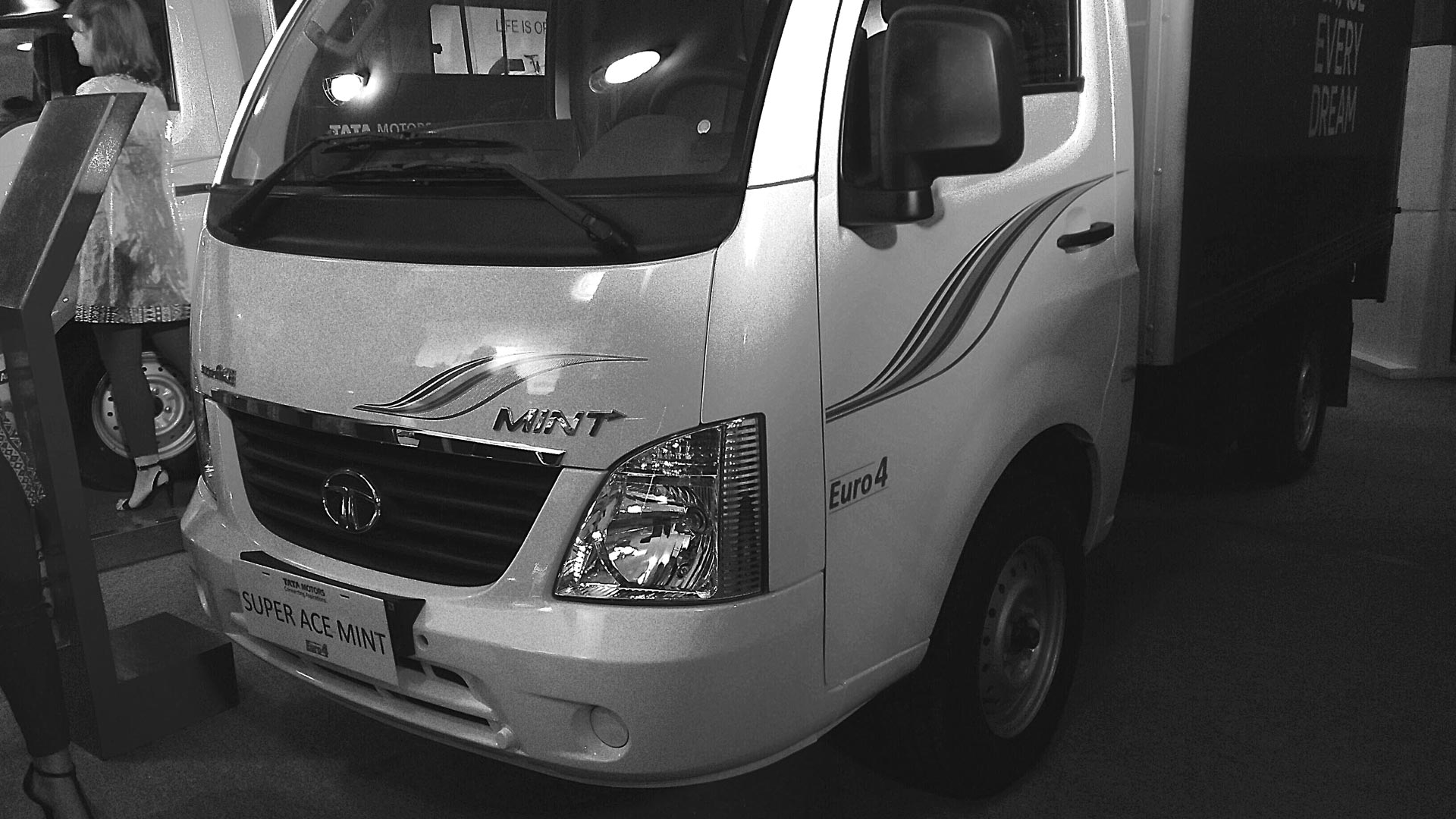
Versatile Tata Super Ace light truck gets new Euro 4 turbodiesel with better torque and horsepower

On display at the Philippine International Motorshow (PIMS) that’s running at the World Trade Center (WTC) in Pasay City until Sunday, October 28, is the Super Ace light truck, the same variant with the air-conditioned passenger rear body that we reviewed back in 2015 and found exceptionally suited to our road conditions, but this new Super Ace Mint comes with a 1.4 liter turbodiesel that’s been upgraded to Euro 4 emission standards for 2018.

IMG20150907154311
The Super Ace passenger van we tested on unpaved rural roads in 2015

The old Euro 2 engine, the Tata 475 IDI TCIC, was a rugged and proven powerplant, having put in decades of service on the Super Ace truck as well as Tata’s older, classic and pioneering Indigo sub-compact sedan that we also reviewed back in 2016 and again drove in an auto-rally last year.  And we liked that old engine, I liked it. Drive it right in the truck or the sedan, let up on the clutch and get real pressure-plate contact before giving her a little gas (or diesel … you know what I mean), gently hit that rpm sweetspot for accelerating upshifts, and save that turbo boost for second to third gear overtakes, you’ve got yourself a quiet gem that could sound like a sprinting bus and that’d make drivers in SUVs want to catch up with you and check out what had showed them up.

The Indigo we drove in STV Auto Rally Corporate Challenge (ARCC) last year

So, we were apprehensive, I was apprehensive, about the Euro 4 replacement turbodiesel for 2018 that Tata Motors warned us would be from an entirely different engine series (and not a mere refinement on what I’ve gotten attached to, the old 475 IDI). Common wisdom in anticipation of this year’s mandatory switchover to Euro 4 standards warned of cleaner burning engines made eco-friendly by holding these back in some way. Frankly, first-world sensibilities being imposed on Tata diesels didn’t sit well with me, not when we’re talking about feisty tropics- and desert-tough diesels from rough-roads India.

But–and here’s the big “but” you’ve been wading through my ramblings for–Tata’s done well with the Euro foured replacement, apparently and on paper.

Tata 475 IDI TCIC >>> Tata 1.4 CRAIL 12
Emission standard Euro 2 >>> Euro 4
Type 4 cylinder inter-cooled turbodiesel >>> 4 cylinder inter-cooled turbodiesel wih ECU control and direct-injection common-rail (DiCOR) fuel feed
Displacement 1405cc >>> 1396cc
Bore x stroke 75mm x 79.5mm >>> 75mm x 79mm
Compression ratio 21 : 1 >>> 16.8 : 1
Power 69hp (70ps) @ 4500rpm >>> 70hp (71ps) @ 4000rpm
Torque 135Nm (99lbft) @ 2500rpm >>> 140Nm (103lbft) @ 1800~3000rpm

The new 1.4 CRAIL 12 is so named because that critical jump from level 2 to 4 comes as the result of high-pressure Common RAIL direct fuel injection that’s tightly controlled by the new engine’s ECU grid.  With diesel fuel introduced at high pressure directly into the combustion chamber, the new 1.4 liter diesel appears to have given up 0.5mm of stroke height and 9cc’s in total displacement. But with its compression ratio reduced to 16.8 : 1, it actually gets a 24% gain in net combustion chamber volume from the old 475 IDI’s 67cc over 1405cc, to the new 1.4 CRAIL’s 83cc over 1396cc.

Too many numbers going in surprising directions? Definitely! But the bottom-line of these finessed re-sizings is peak power that’s 1hp more and at 500rpm’s less revolutions, and peak torque that pushes with 5Nm more over a lower/higher rpm range from 1800 to 3000rpm (versus the old 475’s peak just at 2500rpm).  Convert that Nm to lb-ft and you’d figure out that the new engine now pushes like a full-fledged 100hp ++ gasoline engine.  And all these with a diesel engine which balances turbocharger boost against high pressure fuel injection in a larger combustion chamber that ensures more thorough and cleaner fuel burn.

Other words: modern, cleaner burning, and hey, still zippy … maybe zippier!

Suzuki showcases 2019 Jimny at PIMS 2018, credits thousands of local inquiries as reason for early introduction here

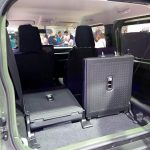
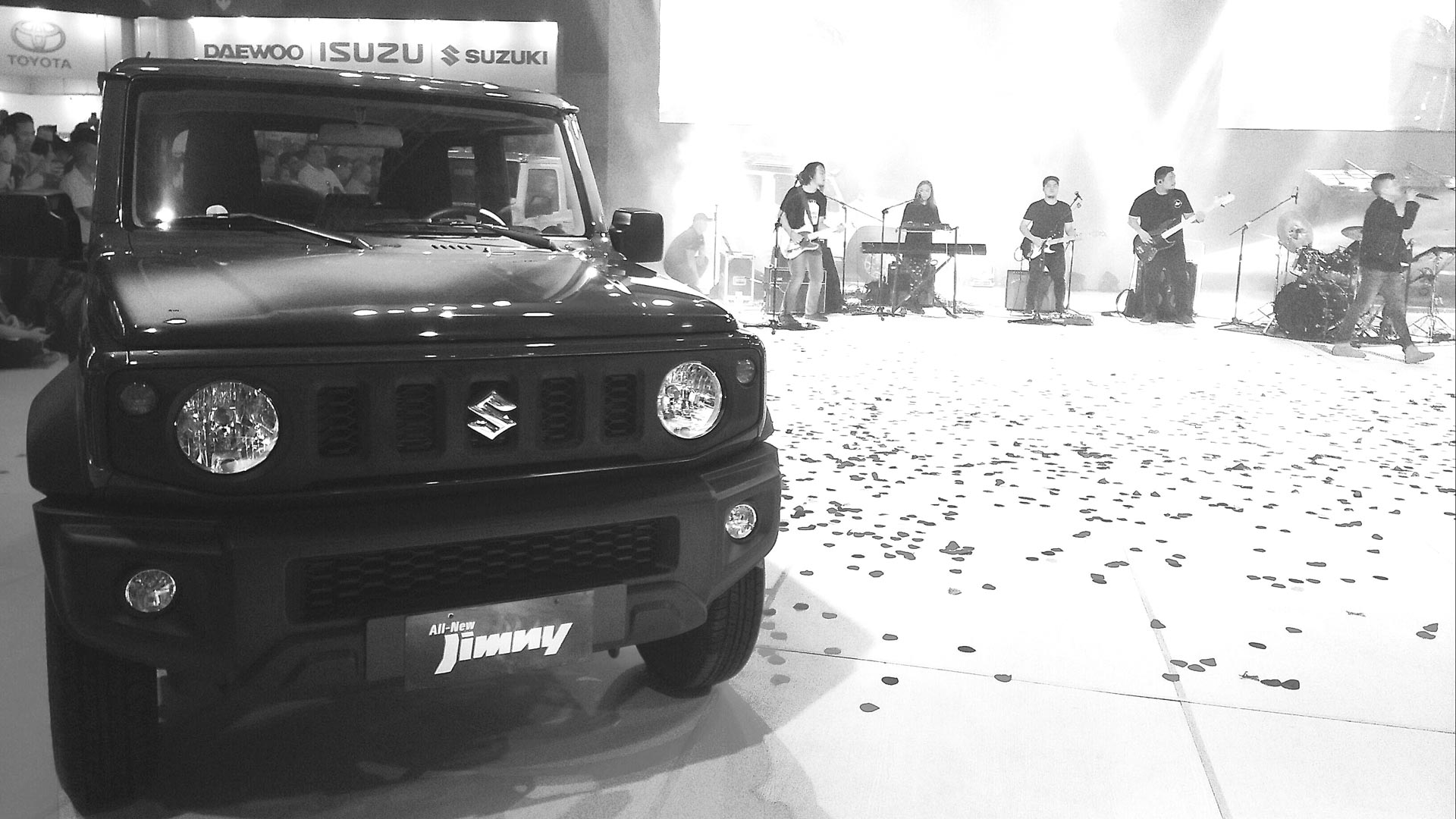
Recall how the new 2019 Jimny was launched globally and from Suzuki’s Japan base just some months ago? How about when motoring industry observers loudly asked if Suzuki was bringing what some have described as a scaled down cross between the full-sized FJ Cruiser model and all those Hummer lines here, to the Philippines? Recall or be at all aware of these recent events, you’d then be surprised by the new Jimny now being actually shown here by Suzuki Philippines at the Philippine International Motorshow being mounted at the World Trade Center (WTC) in Pasay City until Sunday, October 28.

The Jimny being launched globally and then so quickly introduced here, that can’t just be because of the clamor that we raised, asking, de-facto demanding, that the mini 4×4 off-roader be brought to the Philippine market, right? But, apparently, and according to Suzuki Philippines VP and General Manager for Automobiles Mr. Shuzo Hoshikura, that’s exactly why they’ve brought in a handful of Philippine-spec’d left-hand drive 2019 Jimny units, because of what he described as the thousands of inquiries they’ve received, all sparked by the speculation of a few aficionados.

In what was certainly the youngest vibe’d carmaker presentation on the opening day of PIMS, a show that featured rock singer Bamboo who drew in what felt like the whole huge WTC hall, Suzuki showcased the new 2019 Jimny, showcased the new model that Hoshikura says they’ll be listing at around P1.1M when they bring in commercial volumes by July or August next year. Yup, the new Jimny is here for you to inspect at PIMS until this Sunday, and then later on at numerous Suzuki showrooms, but Hoshikura makes it clear that any orders they get won’t be filled until the third quarter of next year.

But, despite the anticlimactic wait after the Jimny’s de-facto launch this week, Hoshikura emphasizes that it’s still a surprisingly short timeline for the new model’s eventual arrival at our shores. For this, Hoshikura gives full credit to the folks whose thousands of inquiries helped Suzuki Philippines speed things up with Suzuki Japan.

Press Statement by Suzuki Philippines, “Suzuki Philippines previews 2019 Jimny at 7th Philippine International Motor Show,” 2018:

Jimny-3

MANILA, PHILIPPINES. | 24 October 2018 — Suzuki Philippines, the country’s pioneer compact car distributor, demonstrates its continued efforts to innovate and offer Filipinos vehicles that serve as their partners in life, moving with them now and toward the future, with a special preview of the all-new Jimny at this year’s Philippine International Motor Show.

SPH showcases its lineup of innovative vehicles and gives a peek into next-generation cars combining fuel economy, distinct styling, and innovative features and functions in line with PIMS 2018’s theme of Future Mobility. The trade event, which runs from October 24 to 28 at the World Trade Center in Pasay City, features the latest and upcoming technologies in the Philippine automotive industry.

SPH’s booth underscores not just how the brand has been growing and evolving but also, and more importantly, how its range of innovative vehicles continues to improve to provide the best driving experience now and in the future. Suzuki’s booth presents how the company continues to upgrade its current vehicle lineup to become future-ready vehicles that are compact yet powerful enough to handle Filipinos’ driving needs, in particular in highly urbanized areas.

Shuzo Hoshikura, vice president and general manager of Suzuki Philippines for Automobile, shares his excitement for this year’s PIMS. “Suzuki has been for several years now an active participant in the Philippine International Motor Show. PIMS has been a strong platform for us to connect with our supporters much more directly and show them how we continue to upgrade the Suzuki vehicles they have loved. This and the clamor of the local motoring fans, we believe that this event is the perfect avenue for the first preview of the soon-to-be-launched Jimny, which has been one of the hot topics in the local and global motoring industry. We want to give our Filipino supporters an opportunity to check it out for themselves here at PIMS ahead of the official launch,” Hoshikura said.

The highlight of SPH’s participation at this year’s PIMS is the most-awaited local appearance of the new Jimny. Amid growing industry clamor surrounding the vehicle and after months of silence on whether the new Jimny will indeed be brought to the Philippines, SPH surprises everyone at PIMS with the special preview of the 4×4 all-new Jimny. The iconic off-roader features a sturdy exterior yet compact dimensions for easier drivability. Its powerful engine can traverse both narrow city streets and rough terrain, making the vehicle an ideal companion for both urban and off-road driving.

Well-loved Suzuki vehicles on display

Aside from the 4×4 Jimny 2019, visitors to the 7th edition of PIMS are able to get a first-hand experience with Suzuki’s popular vehicles such as the new Swift, new Dzire, new Vitara and Ciaz.

SPH showcases the special features and functions of the recently launched all-new Dzire and Swift. Visitors interested in finding out more about Auto Gear Shift (AGS) technology can explore the Dzire. The practical sedan enables automated manual transmission with its AGS functionality, enabling Filipino drivers to enjoy the ease of driving offered by automatic vehicles with the fuel efficiency of manual transmission.

The new Swift offers improved driving experience with its maneuverability and stand-out character. Its edgier look and upgraded engine performance suit the style and needs of fun-loving millennials.

The new Vitara, 2017 CAGI Car of the Year awardee under the Subcompact Crossover Category, boasts enhanced driving and safety features. Its stylish design also offers optimum personalization to suit drivers’ diverse tastes and requirements.

The Ciaz, a top-selling Suzuki brand and the winner of Best Personal Commuter in last year’s 12th C! Magazine Awards, packs an elegant design and spacious interior. On top of these, it features fuel economy and an affordable price that combined make it an ideal subcompact sedan.

Exciting booth activities to entertain

SPH has lined up exciting activities to entertain guests during the five-day trade event.

Popular dance group GForce and rock icon Bamboo raise the energy further during the opening day. Filipino indie-alternative rock band Autotelic will entertain visitors to the booth on the second day of the event while Kris Lawrence will serenade guests on October 26.

In line with the 2018 ASEAN Football Federation (AFF) Championship, the SPH booth will feature the Philippine Azkals as part of the AFF Trophy Tour on October 27. The upcoming AFF Suzuki Cup 2018, set for November in Bacolod, will see the Philippine team compete against Singapore on November 13 and against Thailand on the 21st.

Sisters group 4th Impact, which rose to fame after their stint in X Factor UK, and Kristel de Catalina, grand winner of Pilipinas Got Talent, will also entertain guests at the SPH booth at PIMS.

On the last day of the trade show, the Suzuki Safety Scouts will share their advocacy on road safety. As part of SPH’s efforts to raise awareness about road safety nationwide, the Suzuki Safety Scouts is open to children aged 4 to 14, who besides being an official scout for free will receive traffic safety training, a safety scout uniform and activity books on road safety.

Asia’s Soul Supreme KZ Tandingan will also grace the SPH booth on the last day of the 2018 PIMS.

The 7th PIMS, organized by the Chamber of Automotive Manufacturers of the Philippines, Inc. (CAMPI), aims to bring together the country’s leading motoring industry players to present the latest in vehicle releases, services and cutting-edge technologies. Exhibit areas open at 10AM and close at 9PM.

For more information about Suzuki Philippines and Suzuki at the Philippine International Motor Show 2018, please visit http://suzuki.com.ph/auto/ and like them on www.facebook.com/SuzukiAutoPH, https://twitter.com/SuzukiAutoPH and follow on Instagram at @suzukiautoph.
 

At PIMS 2018 Isuzu shows lightweight truck for new markets that could bring back an old classic

You could chalk it up as a slow-motion mic drop by truck and diesel engine leader Isuzu–it takes a while getting there, but, boom, wait till that slow-burn finally hits you. They’ve just teased a light truck that could get them into new markets offering sales volumes (and those all-important economies of scale) to bring back their departing (although hundred-thousand-unit bestselling) Crosswind model. Let that sink in a moment.

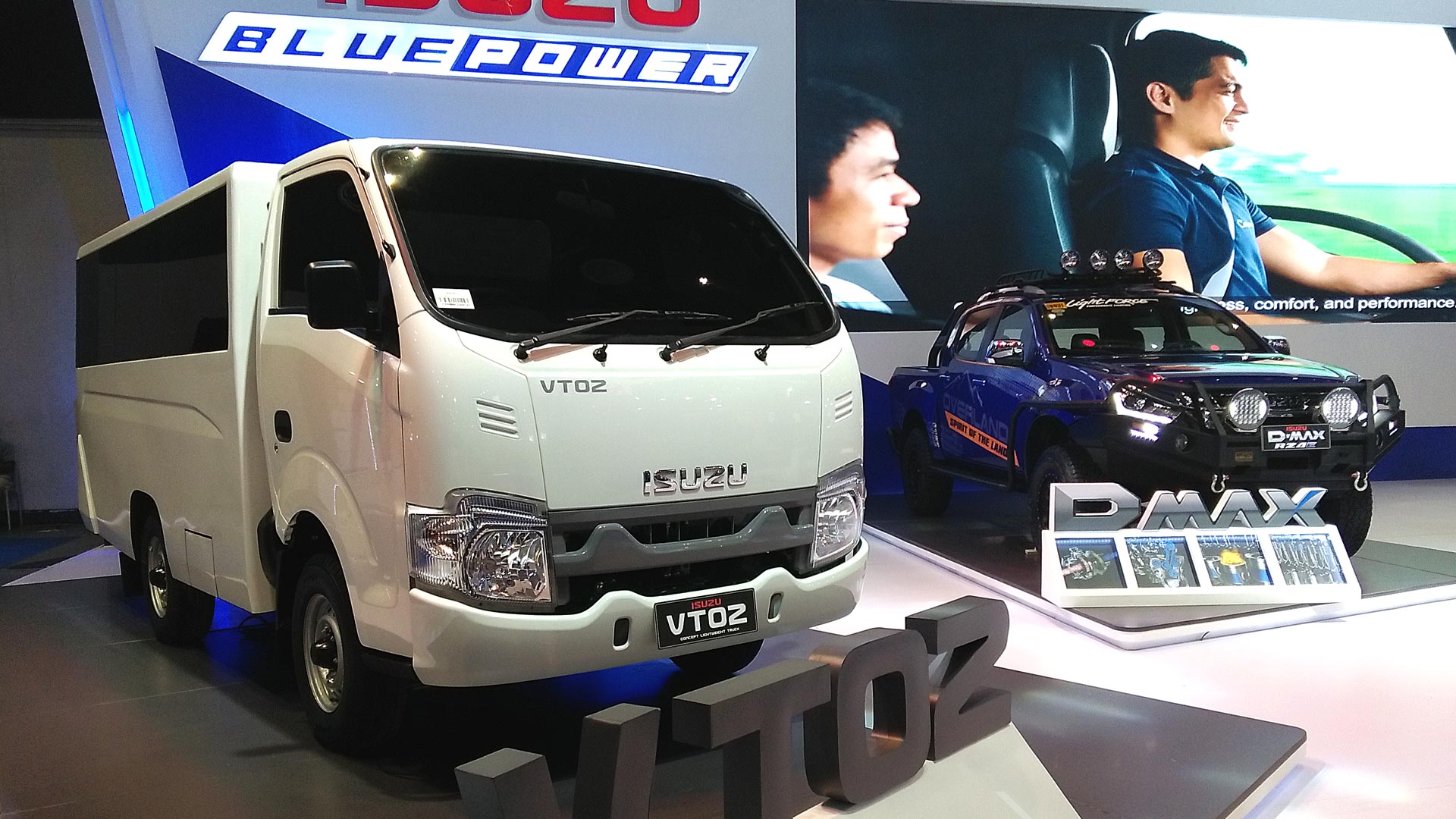
At the Philippine International Motorshow (PIMS) that’ll run at the World Trade Center from October 24 to 28 (this Sunday), they are showing their VTO2 concept for “future urban business mobility.” Essentially the Isuzu Traga light truck platform that was launched just last quarter by Isuzu Astra of Indonesia, the VTO2 concept completes the package with the Philippines’  trademark jeepney-type body on the rear deck. It’s size and powerplant make it an excellent fit as a city-route Class 1 public utility vehicle (PUV), smallest class in the new jeep paradigm, and a stellar replacement for the popular Mitsubishi L300 truck that’s been around for decades but which has been retired along with her naturally-aspirated 2.5 liter Euro 2 diesel engine.

Industry observers have pointed out that the VTO2 light truck’s new market potential is tempered by the need to convert the Indonesian model’s right hand drive and Euro 2 turbodiesel to Philippine specs.  But what if that actually works to Isuzu’s advantage, and what if it could ultimately lead to benefits for the brand’s loyal customers?  They could give a little to gain back a ton of leverage, so to speak.

The classic Crosswind AUV (top-spec Sportivo variant)

Like the VTO2’s Traga chassis, Isuzu’s venerable Crosswind Asian utility vehicle (AUV) was first sourced from Isuzu Astra of Indonesia.  But the Crosswind gained such a following, epitomizing that AUV badge, that it justified a local assembly line at Isuzu’s factory in Laguna. This year, like the equally classic Mitsubishi L300 that was manufactured here (and, elegantly, could now be replaced by Isuzu’s new light truck), the Crosswind line has been retired because of its Euro 2 engine.

For months, even years, there were wishful rumblings that the Crosswind’s 2.5 liter 4JA-1L low-boost turbodiesel would be upgraded from Euro 2 up to Euro 4 standards.  After all, Isuzu’s bigger 2.8 liter 4JB1 diesel engine had been Euro 4’d successfully by their China joint ventures with feed systems converted to an ECU-controlled and high-pressure common-rail direct injection (CRDi) set up.  But no, since the Philippines is among the very few countries where the Crosswind (known as the Panther elsewhere) is popular, they couldn’t point to large enough market numbers for Isuzu Astra to invest in developing a Euro 4 4JA-1L for the classic AUV.  

Now, enter the VTO2. Better than the Crosswind in some respects, this light truck opens entirely new market segments to Isuzu Philippines, bringing the potential for tens of thousands more in unit sales per month for modern Class 1 jeepneys and for upgrades to the classic L300 FB.  But, also, like the Crosswind, the VTO2 is now currently powered by that Euro 2 4JA-1L that held back the popular AUV.

So, breaking it down …

  1. The VTO2 light truck concept built on the Traga from Isuzu Astra of Indonesia can open up major new markets for Isuzu Philippines
  2. New VTO2 markets promise economies of scale that will justify upgrading the original Traga’s 2.5 liter 4JA-1L engine from Euro 2 to Euro 4 emission standards
  3. There’s proof of concept since a similar 4-series Isuzu diesel, the 2.8 liter 4JB1-T, was successfully upgraded to Euro 4 standard by their China joint-ventures
  4. The 4JA-1L is the exact same engine of the Crosswind which had to be retired for want of a Euro 4 engine
  5. The Crosswind was locally assembled and had a large established customer base untill very recently
  6. Now, because of the VTO2 concept, instead of the Crosswind coming across as being in desperate need of a Euro 4 upgrade, the classic and popular AUV actually mitigates the risks and promises more returns for Isuzu Astra to finally upgrade its  2.5 liter 4JA-1L to a Philippines-ready Euro 4 turbodiesel 

And, finally, the microphone hits the floor … as business moves go, this one is as smooth as they come.

<Source> Press Statement by Isuzu Philippines Corporation (IPC) “IPC offers glimpses of the future of diesel mobility at the 7th PIMS October 24 to 28,” 2018:

Isuzu Philippines Corporation is set to join the 7th edition of the much-awaited Philippine International Motor Show from October 24 to 28 at the World Trade Center in Pasay City. 

And in keeping with the motor show’s theme “Future Mobility“, Isuzu boasts bringing in the Philippines the best and the latest Diesel engine technology – the Isuzu Blue Power Diesel Technology which is set to provide maximum engine output, cleaner emission, superb fuel economy while maintaining Isuzu’s renowned engine durability.

At the forefront of IPC’s displays are equipped with its game-changing RZ4E Blue Power engine that represents the Japanese automaker’s realized vision of a smaller displacement engine but with an output of a larger one. The RZ4E-powered vehicles on display will be the Isuzu mu-X RZ4E LS and the Isuzu D-MAX RZ4E LS. These two vehicles represent what IPC considers the “future of urban SUV and pickup mobility“. 

Visitors to the 7th PIMS can also get a feel of the power and comfort of these vehicles with IPC’s test drive offer during the Motor Show. The mu-X RZ4E LS-A and the latest base model, the mu-X RZ4E LS and the two units of the D-Max RZ4E, can be test driven around the WTC.

Side by side with the display of RZ4E-powered light commercial vehicles (LCVs) will be the Isuzu mu-X Luxe and the Isuzu D-MAX 4×4. Both are powered by the 3.0-liter 4-cylinder in-line Blue Power diesel engine with turbo intercooler. These two vehicles’ powerful yet efficient engines, bold designs, and ride and safety technologies have also made them Isuzu’s bet for the “future of urban SUV and off-road pickup mobility.”

In keeping with Isuzu as one of the world’s leading truck manufacturers, IPC will also display its modernized public utility vehicles (PUVs), the “future of passenger mobility“, assembled using the Isuzu QKR77 platform and the rear body designed and manufactured by three of the country’s most reputable body builders.

Isuzu will also showcase an interesting concept vehicle called “Isuzu VT02” which is a full-fledged lightweight truck, newly developed by Isuzu through adopting commercial vehicle technologies with the aim to maximize loading efficiency, tight turning performance, and fuel efficiency for customer convenience.  This is Isuzu’s “future of urban business mobility”.

Isuzu will again impress the public with its version of the “future of cargo mobility” with the public launch of its latest pride, the Isuzu EXZ QL.  It boasts its 4-point advantage:

(1) Fuel efficiency – Equipped with the state-of-the-art 6WG1-TCG52 engine paired with a ZF16 speed multistage transmission, and aerodynamic wind deflector, air wing for better fuel economy, and offers a power of 420 PS and 2,060 N-m torque.

(2) Comfortable driving experience – Equipped with an ergonomically designed air suspension seats and air-conditioned double-deck sleeper cab with large storage compartments to make long travel on the road easier.

(3) Safety – the Anti-Lock Braking System is a standard on this new E-series model, coupled with wide multi-sectional side view mirrors and wheel parking and trailer brakes.\

(4) Secure and easy handling – Easy Access Panel for Easy Maintenance, Taper Leaf Spring for Heavy Duty Handling, Differential Lock and 315/80R22 16PR Radial Tires.

Apart from these exciting vehicle lineups, IPC will also demonstrate to visitors at its Aftersales booth, its unique Isuzu Vehicle Health Report, a powerful vehicle management tool that produces timely and accurate “Health Reports” of Isuzu commercial vehicles that are advantageous to owners and operators of Isuzu vehicles for both private and commercial uses. Through the installation of a Data Recording Module (DRM), the Isuzu vehicle’s performance is monitored, giving the owner and operator complete control of vehicle operating costs, while increasing quality, efficiency, and long term use of the vehicle. These Isuzu vehicle “Health Reports” show the engine condition, fuel economy with history, brake use history, and even driver operating habits. The “Health Reports” also identifies potential problems and observes the operating status of key major components.

The Isuzu Vehicle Health Report is a key part of the renowned Isuzu Advantage in its aftersales, which offer a nationwide dealer network and parts availability, expert service technicians and Japanese truck engineers, on-site servicing roadside assistance, a driver and mechanic training program, and safety drive and eco-drive training programs.

See all these exciting lineup of Isuzu’s Diesel mobility in the 7th Philippine International Motor Show, 10am to 9pm.  

For more information, log on to www.isuzuphil.com.

BAIC Philippines ramps up to PIMS 2018 with launch of renegade crossover

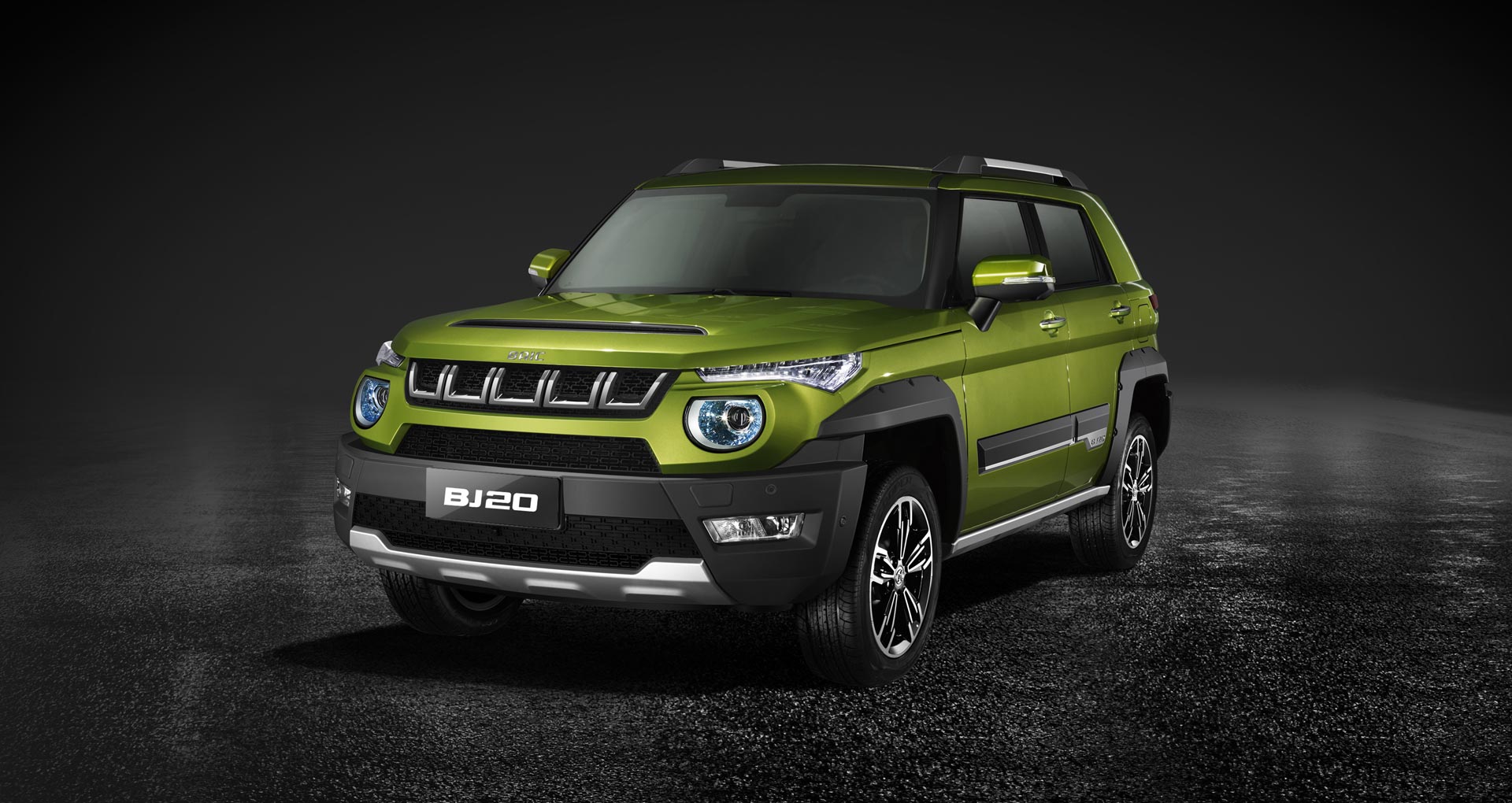
Makati City, 28 September 2018–A month before this year’s Philippine International Motor Show (PIMS), the auto-industry’s major semi-annual event where the brand was introduced here four years ago in 2014, BAIC now launches the Bravo Jeep BJ20 compact crossover SUV. In the crowded two-row SUV super-segment that blurs the line between sub-compact and compact five-seaters, the large BJ20 faces off against dozens of rivals by pitching a new sensibility to the multitudes who seem to aspire for SUV versatility.

Sure, the BJ20 looks like what a general-purpose government-issue military transport would evolve into after decades of service in cold and wet hinterland. But, get past that striking lack of sleekness and you’d find engineering that’s elegant and nowhere near the brute force mindset that it projects … engineering that makes it at home on hard smooth roads as well as soft, unpaved tracks.

The BJ20 is a front-wheel-drive crossover with fully independent suspension up front and in back that floats atop 215mm of ground clearance. That kind of altitude makes for generous articulation where each wheel assembly has ample telescoping range for the suspension to keep both front drive wheels well planted on uneven ground. And those stock 225/55 R18 tires on alloy rims make for wheel discs with 0.685m diameters, the gentler arc on those large wheels making for easy rolls across potholes and for good leverage to float up and over inevitable bumps. It’s by no means an off-roader, it still needs a semblance of roadway, but the BJ20 won’t balk at straying from hard pavement.

(It’s like they had appraised the OX Truck: that 2.5 ton hauler designed by a MacLaren Formula One engineer for relief work in Africa; that truck with its front-engine and front-wheel-drive managing to get enough traction to carry tons of payload over unpaved roads. It’s a way to thumb noses at 4×4 purists … and that’s cool.)

The powertrain is also a surprise, evincing quips of “how the heck did they do that?!” and similar invectives. The BJ20 mounts a 1.5 liter Mitsubishi 4A91T 4-cylinder gasoline burner with that maker’s trademark MIVEC variable-valve-timing tech and their TF036HW turbocharger. Sourced from the Shengyang Aerospace Mitsubishi Sino-Japanese joint venture, the 4A91T’s turbocharger delivers early onset and lingering boost. In fact the turbo boost is so early and prolonged, the engine’s torque curve looks like that of a turbodiesel but, of course, with a higher and less stressed top end.

On a naturally aspirated 1.5 liter 4A91 (note the missing “T” from the end, like the type mounted on the Mitsubishi Xpander SUV-wannabee), peak torque is 141Nm @ 4000rpm. But, with the TF036HW turbocharger that Shenyang Aerospace asserts to have turbine vanes with advanced aerodynamic geometry, the 4A91T has torque already reaching 160Nm immediately after roll out with 1500rpm, then hitting 180Nm for early transition at 1750rpm, then peaking with a rich 210Nm at 2000~4500rpm. That’s an extra-wide powerband that starts at 2000rpm, stays peaked until 4500rpm and lingers long enough to deliver a top power figure of 147hp with the system hitting its highest “torque x revolutions” numbers at 6000rpm.

Under the hood: 1.5L Mitsubishi 4A91T turbocharged 4-cylinder with MIVEC valvetrain and high pressure GDI fuel injection rail.

BAIC asserts that the 4A91T was chosen as much for efficiency as for performance: good reminder of why turbochargers were first mainstreamed back in the 1990’s, for cleaner emissions and better fuel mileage. In effect increasing engine displacement by 33 to 50 percent, but only when you step on the gas and spool things up, the plumbing on that 1.5 liter engine makes it push like a 2 liter mill but with a turbocharger’s typical 15 percent fuel mileage improvement over a naturally aspirated engine of that size. BAIC reports getting 13.15km/l on a comprehensive mixed-mode drive.

Undoubtedly contributing to that mileage number is the continuously variable transmission (CVT) they’ve mated to the engine. It’ll be a sore point for some prospective buyers, it not being a traditional or manual transmission with discrete gear ratios, and instead having a chain between pulleys that automatically change diameters (and thereby vary their reduction ratio). But that continuously changing ratio without need for shifting between gears is what keeps the turbo unceasingly spooled up for acceleration–talk about an effective and efficient match up.

Plus, if the BJ20 has the JATCO CVT8, the CVT gearbox that’s been widely paired to Mitsubishi engines with actual or boosted displacements of 2.0 to 3.5 liters, it gives the compact crossover an exceptionally deep “first gear” ratio for hauling itself out of sticky situations. The JATCO CVT8 has a maximum deep ratio 7.0:1 that’s better than the 6.0:1 typical of other CVTs and can multiply torque significantly more than manual or automatic transmissions with first gear ratios that are typically around 4.0:1.

The BJ20 with its pugnacious looks, elegant powertrain and sublime undercarriage comes in two variants: the 1.5L Turbo CVT Standard that lists at PhP1.148M and the 1.5L Turbo CVT Luxury at PhP1.288M.

China’s BAIC partners up with behind-the-scenes giant Magna of North America

After their major win overtaking Nissan and Tesla sales with their all-electric EC hatchbacks, leading Chinese carmaker BAIC partners up with North American giant Magna International to build electric vehicles at a 180,000-unit annual capacity plant in Zhenjian.

Press Statement by BAIC Philippines, “BAIC and silent giant Magna partner up to make electric vehicles in China,” 2018:

Magna International, Inc., the auto-industry’s silent global giant, is partnering up with BAIC to build electric vehicles for and in China, the world’s largest automotive market. Well known only in B2B circles, Magna International of Canada is the world’s largest automotive contract manufacturer, both producing parts for major brands like Detroit’s big three and assembling entire vehicles for marques such as Peugeot and MINI.

Where China has required joint ventures of any foreign company intending to manufacture vehicles in the country, they are now phasing out the requirement in the case of electric vehicles, zero-emissions vehicles that they’ve fast tracked to advance their eco-industrial agenda. But, in spite of this shift that would allow Magna to set up their wholly-owned shop in China, they’ve partnered up with BAIC subsidiary Beijing Electric Vehicle Co. Ltd,.

With a deal already in place to develop an all-electric vehicle for China, the partners now add a second agreement for Magna to take over an existing BAIC production facility in Zhenjian, Jiangsu Province where they intend to roll out new models by 2020. Part of the large facility’s 180,000-vehicle annual capacity will also be used for contract work for other companies.
BAIC Chairman Xu Heyi says, “from a strategic point of view, the establishment of the JV’s will benefit both Magna and BAIC to further strengthen our business growth in China.”

Hino invests further in workforce, breaks ground on new technical training center

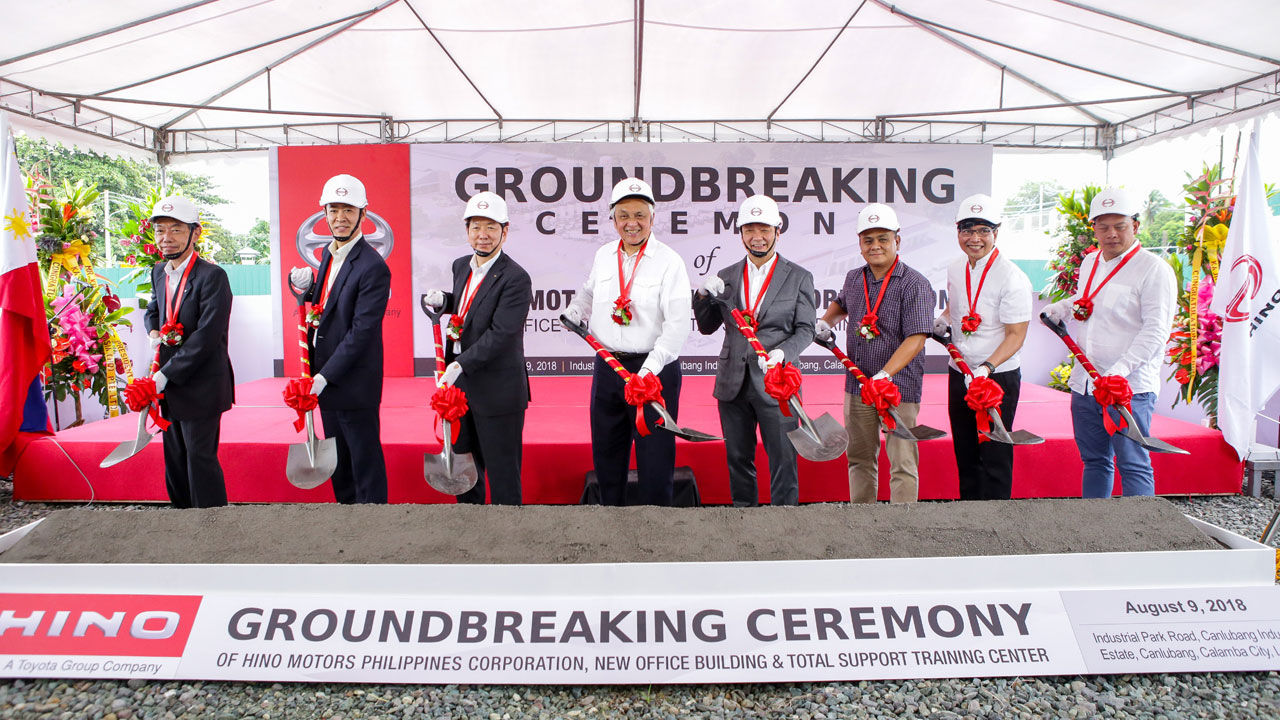
Hino Motors Philippines, the country’s second largest truckmaker and the top brand with trademark in-house body-building operations, is investing further in the country’s workforce, breaking ground on a new building to house a technical training center as well as new offices at their expansive grounds in Canlubang, Laguna. The new facility will have 17,990sqm of floor space and will be completed by July next year.

Press Statement by Hino Motors Philippines, “Hino breaks ground for newest building and training center,” 2018:

Laguna, 11 September 2018–Hino Motors Philippines (HMP), the exclusive distributor of Hino trucks and buses in the Philippines, has recently broken ground for its new office building and technical training service center in Hino Plant, Canlubang, Laguna.

Besides expanding business operations, Hino’s new facility will be used to strengthen the skill set of the company’s manpower through the technical training service center. Rooted on its commitment to providing Total Support, Hino hopes to provide the best kind of training and preparation for its staff and dealers to enable to handle different situations as truck service providers.

“Hino is always looking for opportunities to improve the quality of products and services that we offer. From launching Euro 4 vehicles and the new truck line to opening new dealerships and continually improving our aftersales program, Hino ensures that we always offer something new and of high value to our customers,” said HMP President Hiroshi Aoki.

Hino Motors, Ltd. President and CEO Yoshio Shimo also graced the groundbreaking ceremony and shared a few words in light of the event with emphasis on communicating Hino as the “trucks and buses that do more”.

As the only one-stop shop in the Philippines for trucks and buses, Hino upholds its vision of creating a more connected community where goods and people reach their destination in the most efficient manner possible.

“All our actions derive from our commitment to provide Total Support to all our partners. By being passionate to serve the Filipino people, we uphold the premium standard Hino is known for globally and across the country,” HMP Chairman Vicente T. Mills, Jr. shared.

The new 17,990-square-meter facility is expected to be completed by July 2019.

Bestselling BAIC electric hatchback beats Nissan Leaf and Tesla Model S in first quarter 2018

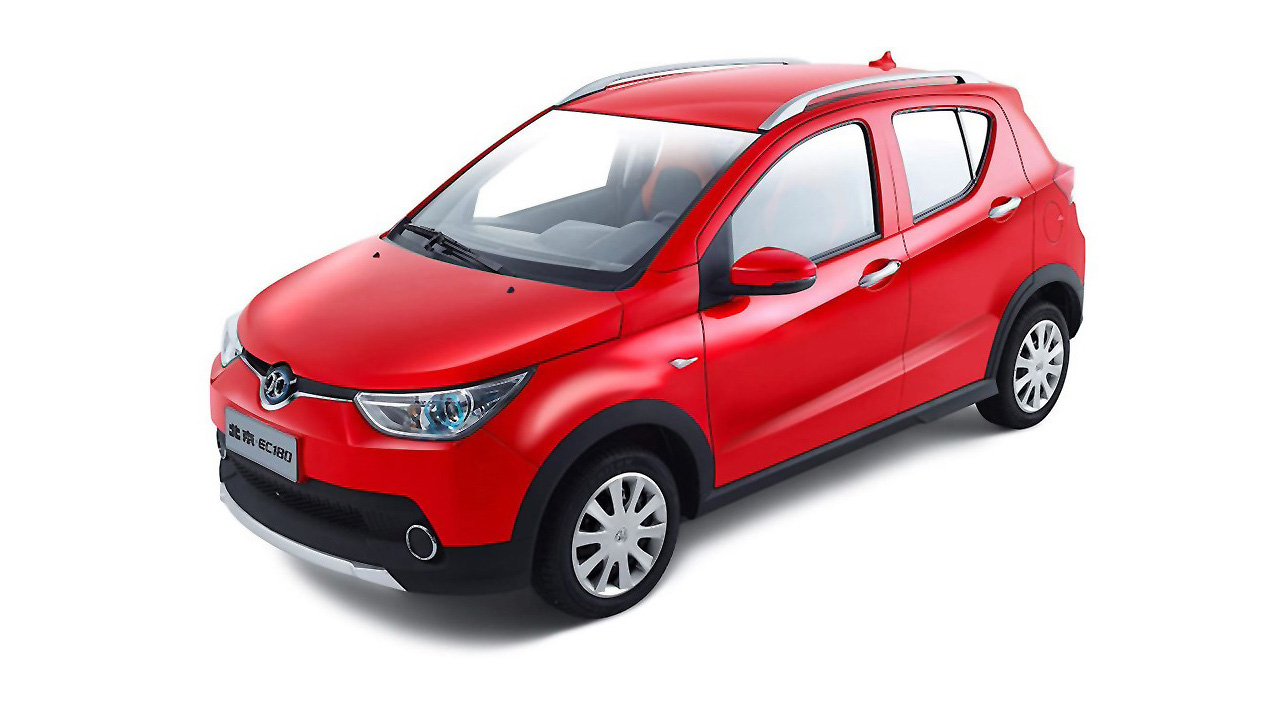
From China, where energy strategies reach beyond maxing out efficiencies and scrubbing up emissions from gasoline and diesel fuel, comes the BAIC EC electric car that outsold the popular Nissan Leaf and Tesla Model S in the first quarter of the year.  Unmistakably an economy model, the BAIC EC hatchback is a fitting leader, harking back to when sub-compacts dominated global markets after the oil crises of the last millennium.

Press Statement by BAIC Philippines, “BAIC overtakes Nissan and Tesla with bestselling electric car for first quarter 2018,” 2018:

The BAIC EC has overtaken the Nissan Leaf and Tesla Model S as the world’s bestselling purely battery-powered electric vehicle. The first quarter 2018 review completed by industry monitor JATO Dynamics puts BAIC EC sales at 25,360 units, giving the Chinese carmaker a comfortable margin over the Nissan Leaf’s 22,124 units and the Tesla Model S’s 11,450. The numbers depict phenomenal 260 percent growth for the BAIC EC since the first quarter of 2017, as compared to the Nissan Leaf’s 47 percent increase and Tesla Model S’s 6 percent decrease.

The BAIC EC leads the battery-powered electric vehicle (BEV) category which, along with hybrid electric vehicles (HEVs) and plug-in hybrids (PHEVs), as well as extended range electric vehicles (EREV) and fuel-cell vehicles (FCVs), comprise the industry’s alternative fuel vehicle (AFV) segment. In this context, given how electrics represent a major avenue for curbing the world’s fossil fuel consumption and emissions, it seems appropriate that the BAIC EC sub-compact hatchback comes in ahead of the larger and more sporty Nissan Leaf compact hatchback and Tesla Model S premium mid-size sedan.

The base variant of the Tesla Model S has its motor delivering 362hp with 441Nm of torque to attain a top speed of 249km/h. The Nissan Leaf’s powerplant puts out 147hp with 320Nm of torque to push things up to a max of 150km/h. In contrast, and in context, the bestselling BAIC EC is optimized as a city commuter with an efficient 41hp and 140Nm motor keeping things civil with a top speed of 100km/h,

Consequently, these top-ranking BEVs, which represent a good sampling of all models that are currently on offer across markets, also have efficiency numbers that differ widely. Without needing a full picture of the fuel burnt for generating city grid power, a simple scan of battery capacities and vehicle ranges reveal just how divergent these models are in terms of energy efficiency.

The Tesla Model S with a 60kWh battery giving it a range of 335km manages to get 5.6km per kWh of capacity. The Nissan Leaf, its 40kWh battery giving it a 240km range, is more efficient as it gets 6.0km per kWh. But, best of all, the top-selling BAIC EC has its base variant’s 20kWh battery lasting for 156km and managing to deliver 7.7km per kWh.

This year’s first quarter is also when overall AFV sales broke the million-car mark with a total volume of 1.09 million units after a 21 percent increase over numbers from the same period last year. It seems even more appropriate that, behind this historic million-cars milestone for fossil fuel alternatives, the bestselling battery-powered electric vehicle is the BAIC EC, a sub-compact economy model much like the hatchbacks that started overtaking fuel-guzzling land yachts in the 1970’s.

Quick note: next-generation Swift reasserts the classic hatchback’s sporty roots

The next generation Swift hatchback introduced just last Wednesday by Suzuki Philippines is sleeker, is sensuously curvaceous where its predecessor was clinically angular and faceted, and boasts of a lower center of gravity plus a wider, more planted stance for not only tackling but actually enjoying those hard turns.

The Swift’s K12M gasoline engine with VVT valvetrain delivering peaks of 82hp @ 6000rpm and 113Nm @ 4400rpm

This new, 3rd-generation Swift leverages a more svelte, stronger yet lighter body into an earnest return to her sporty roots. This, despite sticking to the efficient 1.2L VVT gasoline burner that it had first deigned to mount back in 2014.  In fact, with the vehicle’s curb weight that’s now 100kg lighter, the new Swift’s 1.2L K12M is commensurately tuned down from the 2nd-generation’s peak power of 87hp @ 6000rpm to this 3rd -generation hatchback’s 82hp @ 6000rpm.

Clearly, the new Swift has improvements that are subtle in more ways than one, with looks and engineering coming together for an eclectic mix of efficiency and aggressiveness.  Stay tuned for our full feature on the newly introduced Swift hatchback as well as its Dzire sedan offshoot.

First blood

In this market, back in the early 2000’s, it’s the Isuzu D-Max that mainstreamed the muscle truck. Now, high-riding pickups on big, all-terrain tires are common enough, the profile no longer reserved for 4×4’s.

#IsuzuDMax #isuzuph #isuzuphil #DMax #muscletruck #hirider #pickuptruck